Hope Behind Bars: How Some in Okaloosa County are Igniting Change
In Brief:
-
 Who: James Ferguson, Dana Clah, Emerald Coast Life Center, Okaloosa County Jail inmates
 -
 What: An intensive, trauma-informed recovery and reentry program
 -
 When: Ongoing, with participants completing up to 1,700 hours of coursework
 -
 Where: Okaloosa County Jail, with reentry support in the surrounding community
 -
 Why: To break the cycle of trauma, addiction, and incarceration through healing and accountability
James Ferguson entered the Okaloosa County Jail facing a range of charges, from traffic violations to drug-related offenses. His life spiraled. Hospital visits, addiction, and jail stays seemed like the only future ahead of him. What Ferguson needed was more than incarceration — he needed help. Help to overcome addiction. Help to confront long-standing trauma. Help him get his life back on track.
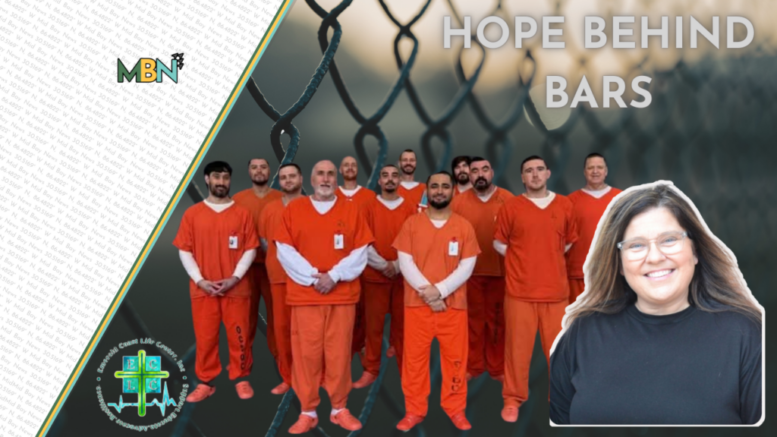
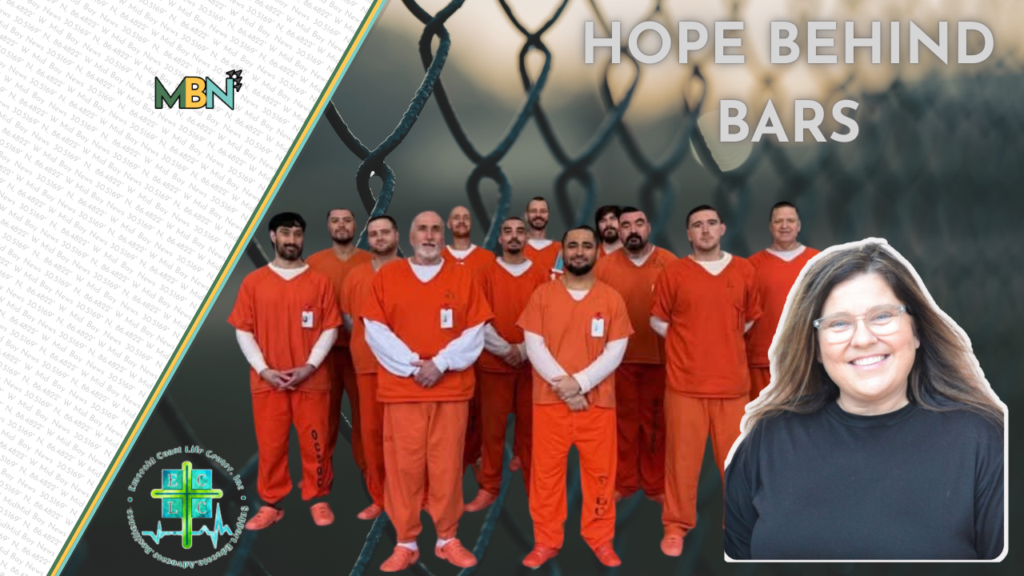
Inside the Okaloosa County Jail, a group of inmates is spending their mornings not watching television or passing the time, but studying, writing essays, and learning how to rebuild their lives.
The effort is part of the Anchored program, operated by Emerald Coast Life Center (ECLC), a nonprofit founded by Dana Clah that focuses on helping underserved, justice-involved individuals — particularly those struggling with opioid addiction — prepare for reentry into society.
“This isn’t about just doing time,” Clah said. “It’s about doing healthy time.”
The Anchored program operates in its own jail dorm, which participants refer to as a “study dorm,” where inmates commit to an intensive, structured schedule Monday through Friday. Days begin at 6:15 a.m. with devotions and prayer, followed by classes from 8 a.m. to noon focused on life skills, relationships, finances, and personal responsibility.
To graduate from the program, participants must complete four phases of coursework — 425 hours per phase — totaling 1,700 hours of curriculum.
Addressing trauma at the root
Trauma touches nearly everyone in some way. Without healthy support or guidance, many people turn to substances simply to numb the pain. What begins as a way to cope can quickly turn into addiction, pulling people into the justice system and further away from stability. Breaking that cycle starts with recognizing trauma and giving people the tools they need to heal.
Anchored is both evidence-based and faith-based, with Clah describing Christ as “the center of healing” for those who choose that path. A key part of the program is its trauma-informed approach, which addresses adverse childhood experiences, or ACEs.
According to the landmark ACEs study, individuals with five or more adverse childhood experiences are significantly more likely to struggle with substance abuse and involvement in the justice system.
“What we see over and over again is trauma,” Clah said. “Emotional poverty, unstable homes, substance abuse in the family — these things affect the nervous system and the way people respond to the world.”
The program helps participants identify past trauma, challenge harmful beliefs, and learn secure attachment styles, to break cycles that often lead to addiction and incarceration.
“In many cases, this isn’t just a drug problem,” Clah said. “It’s a mental health and trauma epidemic.”
Preparing for reentry
Graduating from the Anchored program and leaving jail should feel like a fresh start. But for many, it’s the start of a new kind of uncertainty. Where will they sleep that night? How will they get to a safe place—or even know where that place is? Who will guide them through the days between the jail cell and a stable home? Without real support, the risk of relapse is huge, and the cycle of trauma, addiction, and crime doesn’t end—it just begins again. Reentry isn’t just a step out of prison; it’s a crossroads where society must decide whether to leave people to struggle alone—or give them the tools, resources, and community they need to truly rebuild their lives.
While the jail-based program is supported through opioid abatement funding approved by Okaloosa County commissioners, Clah said Emerald Coast Life Center relies heavily on community donations to support participants once they are released.
“When they leave the jail, that’s when the real work begins,” she said.
ECLC helps cover costs many former inmates face immediately upon release, including driver’s license fees, application fees for recovery housing, transportation to treatment programs, and continued education at the center.
Volunteers are also critical, particularly those willing to provide transportation directly from the jail to recovery homes.
“If someone doesn’t have a ride, the temptation is right there,” Clah said. “We want to get them from point A to point B safely, without detours that could put them back at risk.”
Community support needed
It’s easy for society to make assumptions and judgments about people who are incarcerated or struggling with addiction. We can be critical about the fact that these same individuals are provided with three free meals a day and a place to sleep in jail. But what if we channeled that same energy into a desire to help them succeed once they’re released? Turning judgment into action could be the beginning of a real solution to a problem that affects our entire community.
Emerald Coast Life Center is a small nonprofit staffed largely by recovery peers and professionals with backgrounds in psychology, criminal justice, and trauma-informed care. Claw herself has worked within the justice system for three decades and is open about her own recovery journey.
The organization also offers outpatient classes, parenting and relationship education, recovery-focused church services, and Narcan distribution throughout the community.
Claw emphasized gratitude for county leaders who fund the jail-based portion of the program, but said sustained community support is essential for expansion — including plans to launch a female dorm when a new jail is built and to expand services into Santa Rosa County.
“This work takes resources,” Claw said. “Curriculum alone costs thousands of dollars, and housing and staffing add even more.”
Those interested in donating or volunteering can find Emerald Coast Life Center on Facebook, where a donation link is available. The organization’s website is currently under construction.
“At the end of the day, this is about building strong families and strong communities,” Claw said. “When we address trauma and walk alongside people, real change happens.”
Gratitude and Congratulations
The Emerald Coast Life Center would like to extend a heartfelt thank you to everyone who supports our mission. We are especially grateful to our county commissioners for their continued support, including the use of opioid abatement funds to sustain our programs inside the Okaloosa County Jail. We also want to recognize the command staff at the jail, including Chief Mooring, for their behind-the-scenes support that makes it possible for our programs to operate safely and effectively.
Two years into running the Anchored program, we’ve already celebrated our second graduation, supporting more than 100 men and 75–85 women through our classes. Each participant demonstrates a genuine desire to change and build a better life, and we are proud to provide evidence-based tools and guidance to help them do so.
James Ferguson reflects on his time in the Okaloosa County Jail, and Dana Clah.
“My name is James Ferguson, and I’m an outpatient at ECLC. I want to say a little something about Mrs. Dana Clah and ECLC’s outpatient program. First off, Mrs. Dana is an amazing person and a great teacher. I’ve been in the outpatient program for about two years, and in that time, I’ve learned so much about mental health and addiction and what they have to do with each other.
I’ve learned about different positive character traits that completely changed me from a ‘me, me, me’ person to someone who thinks about what I’m doing and how it’s affecting those around me that I love and care about. It’s also brought me back to God and church, and has even brought me closer to my son. I got him going to church with me now, also at ECLC.
I just want it to be known that none of this — or me being clean — would even be a little bit possible if it wasn’t for Mrs. Dana Clah and everything she’s done and is still doing in my life.”
Yet the work doesn’t stop when they leave the jail. Reentry support requires resources, from covering driver’s licenses and housing application fees to helping participants move into Oxford Houses without starting in debt. While our jail-side programs are funded, the outside programs—including curriculum, staff, and housing support—rely entirely on community contributions. For example, launching a new curriculum phase in Santa Rosa recently required $2,400 in program funds, and this is just one component of the comprehensive services we provide.
We also have plans to open a women’s home, but that requires both funding and staffing. With the community’s help, we can continue to provide a stable, supportive environment for women seeking recovery and a new start.
To everyone who supports our work—whether by volunteering, donating, or simply believing in second chances—we thank you. Your support helps protect families, strengthen our community, and provide life-changing opportunities for those who are ready to take the steps toward lasting change.
Imagine a community where we don’t turn our backs on the most vulnerable, where families are protected, and second chances are real. This isn’t just a dream—it’s happening in Okaloosa County. The participants in the Anchored program at the county jail are showing up every day, proving they want change. Every class they attend, every lesson they take, is a step toward a better life. By supporting them, we’re not just helping individuals—we’re strengthening families, protecting our community, and creating a future where hope and opportunity are real for everyone.
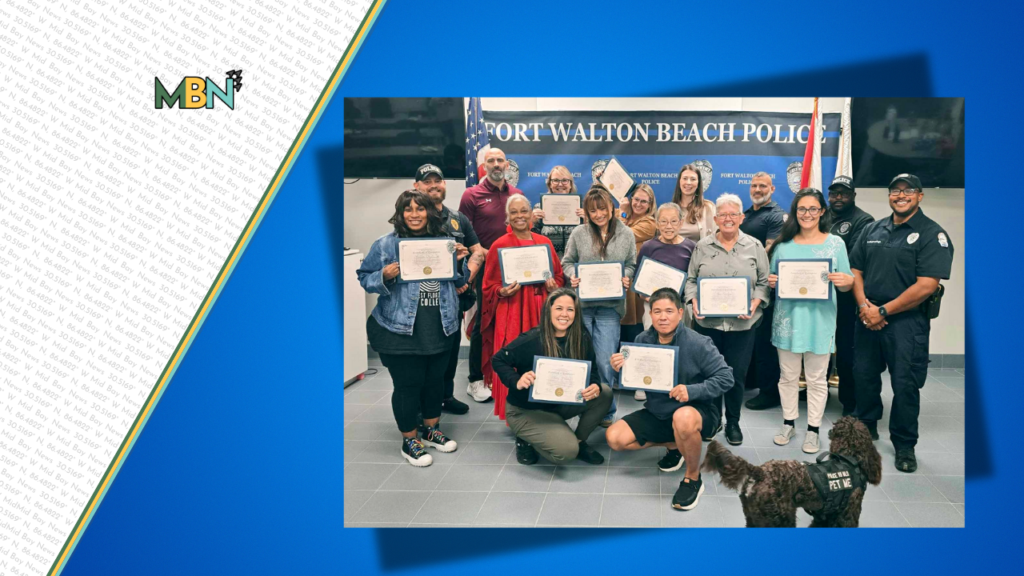
Congratulations to the graduates of the Anchored Program, including James Ferguson! Your dedication, hard work, and commitment to change do not go unnoticed. We see you!
The post Hope Behind Bars: How Some in Okaloosa County are Igniting Change appeared first on Mid Bay News.

Be the first to comment on "Hope Behind Bars: How Some in Okaloosa County are Igniting Change"