History of the Emerald Coast: Camp Walton shelled by Union forces
-
Christopher Saul
-
April 1, 2026
-
12:26 am -
History
Today’s Emerald Coast History Article is brought to you by the folks at Okaloosa Gas District.
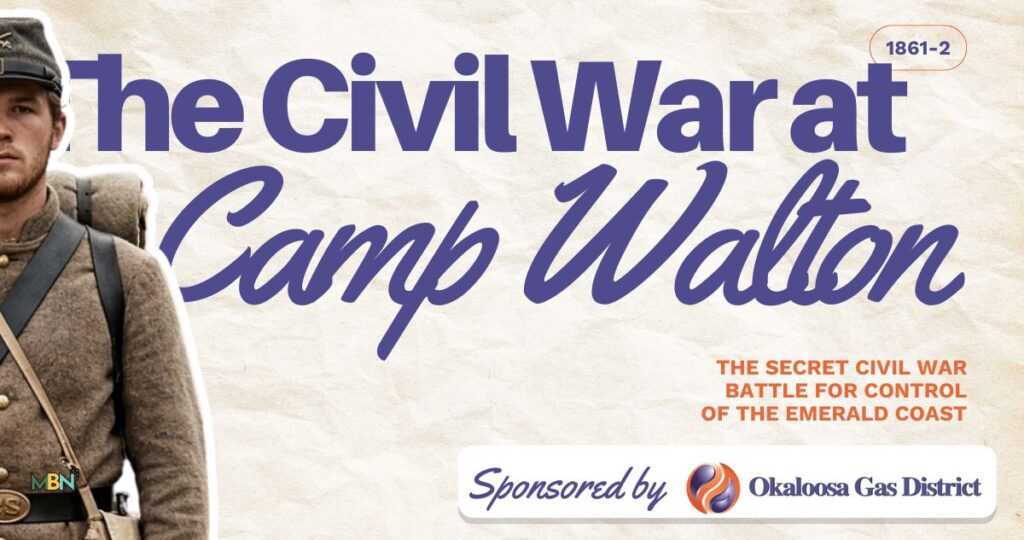
Today, 164 years ago, the rebel militia, known as the Walton Guards, under Captain Billy McPherson at Camp Walton, came under naval bombardment from Federal ships in the Santa Rosa Sound.
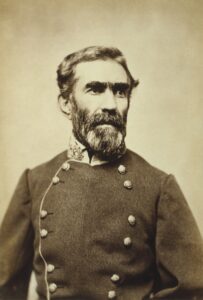
April 1, 1862, marked the first action of the Civil War in Florida’s Emerald Coast region. A year earlier, the Walton Guards organized and were assigned by their leader, General Braxton Bragg, to defend the coastline of their home county. The men elected their officers and, roughly sixty strong, set out for what is now downtown Fort Walton Beach to establish a defensive and observation position atop the Mississippian Mound there. Bragg would give the force two cannons to use in the defense of the coastline and the entrance to the Choctawhatchee Bay.

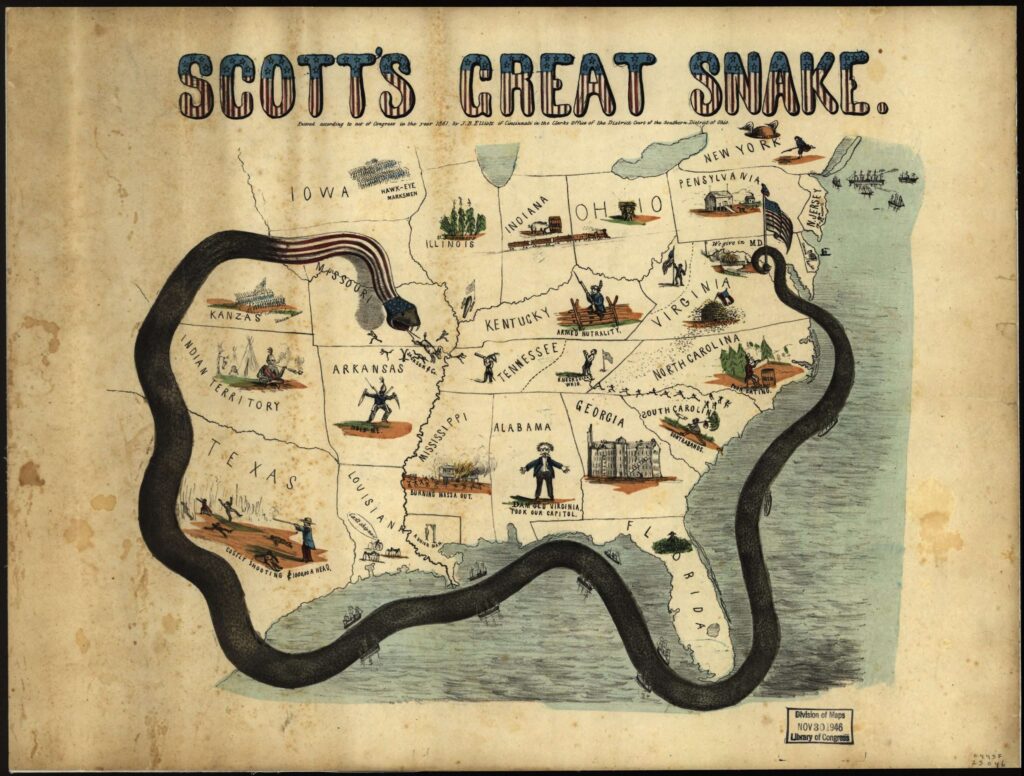
Soon after the formation of the Walton Guards and their march to Camp Walton, President Abraham Lincoln ordered a blockade of the South’s ports and coasts to implement General-in-Chief Winfield Scott’s ‘Anaconda Plan’, which would strangle the South’s economic lifeblood in an attempt to end the conflict. Many criticized this plan at the beginning of the war because they believed the war would be won in a single great land battle.
In July 1861, the Walton Guard stumbled upon a party of Federal troops trying to make landfall from the USS Water Witch near the homestead of Leonard Destin. The two sides exchanged gunfire, but both sides missed and retreated to their respective corners – with the men of the Walton Guard returning to their mission to seize Captain Leonard Destin, a Connecticut-born Yankee, and move him to Freeport to discourage any unionist sentiment he might harbor. The crew of the USS Water Witch would continue on its blockading mission around the Santa Rosa Island area.

As 1861 turned into 1862, the war had not ended. The Walton Guards remained at the camp, which was crucial to denying US forces easy access to the entire Santa Rosa Sound. The Union forces under Lt. Adam Slemmer occupied Fort Pickens on the other side of the barrier island in the preparations leading up to the beginning of the conflict.
The Walton Guard, bored, engaged in less-than-lofty pursuits according to their journals and letters home. One soldier’s account of their time there recalls how they went from reading their Bibles every day to playing cards every day instead.
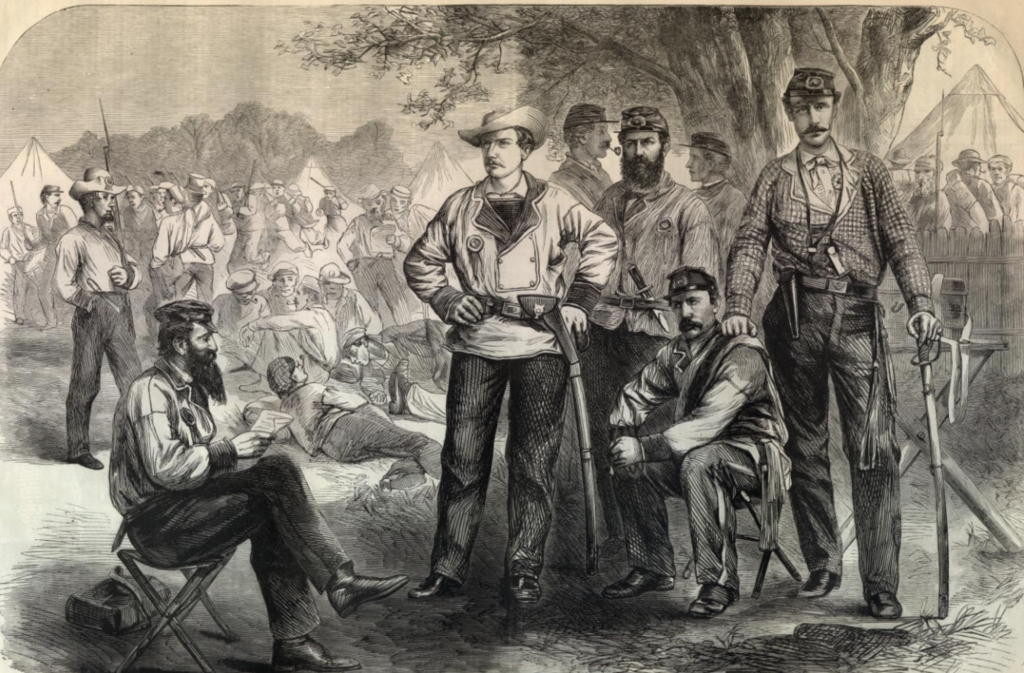
With spring came the first conflict of the war in Walton County. On April 1, 1862, a detachment of the 6th New York Zouaves came ashore on Santa Rosa Island. Their orders were to find a way to march to Fort Pickens to relieve it from the isolation brought on by the buildup of Bragg’s rebels in Pensacola.
The zouaves brought their cannon with them and set them up to fire on the rebel position held by the Walton Guards on the Indian Temple Mound. Terrified, the Walton Guards fled the scene to Boggy Bayou, where they hid for three weeks before returning to the camp.

The Zouaves were formed at Tammany Hall in New York City and mustard immediately after unrest in Maryland in the trepidation. Between the firing on Fort Sumter and the initiation of hostility between northern and southern armies.
By August 1862, conditions for the rebel armies on the western front after the Battle of Shiloh had changed the strategy of the rebel leadership. The Confederacy needed more men, and fast. In addition to a second recruitment drive, coastal protection units such as the Walton Guards were called up to replace the losses incurred. That meant General Bragg’s forces would abandon Pensacola – and the Walton County Coast along with it to support the Confederate armies of the West as they made their invasion of Kentucky in the fall. Before making himself scarce and turning the area over to the Union, Bragg’s forces did their level best to destroy every bit of industrial capacity they could.
Some members of the Walton Guard would merge with the 1st Florida Infantry to form the 1st and 3rd Florida Infantry (the 1st and 3rd are one regiment, it just has a confusing name). They would march east, take part in the many conflicts around North Georgia and East Tennessee, and suffer heavy casualties. Others from their ranks would return home thanks to their short six-month enlistment periods. Those that stayed in the Confederate army would travel to and fight in Tennessee, Kentucky, Georgia and North Carolina before the end of the war.
More History of the Emerald Coast, brought to you by the folks at Okaloosa Gas District!
The post History of the Emerald Coast: Camp Walton shelled by Union forces appeared first on Mid Bay News.

Be the first to comment on "History of the Emerald Coast: Camp Walton shelled by Union forces"