Bird, shark rescues in Okaloosa show importance of properly disposing fishing line, tackle
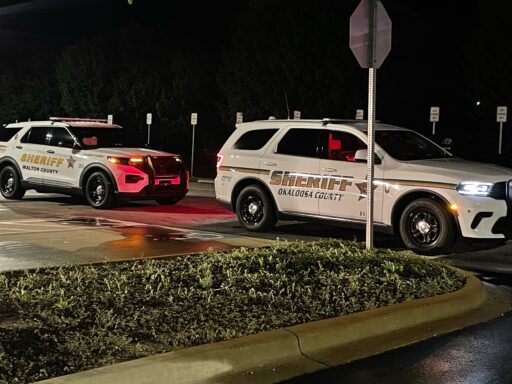
Okaloosa County Sheriff’s Office Lt. Matt Harrison and Lt. Jeremy Gilbert were cruising along Santa Rosa Sound while off duty on the Fourth of July when they spotted an osprey struggling in the water. The bird had a treble hook stuck to its right leg and face and was barely able to stay afloat. Had Harrison and Gilbert not been there, it is likely the bird would have died. Their rescue was one of many in Okaloosa County over the past month. Rehabilitated sea turtles released:Gulfarium C.A.R.E. Center releases 4 rehabilitated sea turtles back into the Gulf of Mexico More about conservation:How to help conserve Florida wildlife as sea turtles, manatees become more active this spring According to Melissa Smith, public information coordinator for the northwest region of the Florida Fish and Wildlife Conservation Commission, hundreds of coastal animals such as seabirds, sea turtles and marine mammals are snagged in monofilament fishing line and other fishing tackle in Florida each year. “Wildlife entanglements with fishing line and other debris unfortunately still happen across the state,” Smith said. “Fishing line can be deadly to waterbirds, sea turtles and other wildlife, so disposing of it properly can save wildlife from pain and suffering.” Monofilament is a strand of strong, flexible plastic used for fishing, and most of it is non-degradable in the water. According to the FWC, it can last up to 600 years. Boaters like Harrison have also noticed the prevalence of wildlife entanglements. “I’ve been in the area for a long time and when I...
Read More