Our Endangered Animals
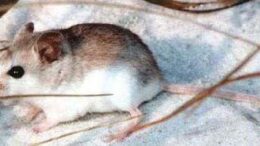
[[{“value”:” By Helen Petre Our home here in the Panhandle is a paradise of animals and plants, perfect weather, dune lakes, pine savannahs, springs and creeks, and miles of beach. Our parks and wildlife management areas are teaming with life. Our highways are full of traffic, tourists, and not much wildlife, other than the occasional deer during the rut. We are building residential and commercial projects faster than our endangered animals can escape. Here are the names and habitats of some of our endangered species. They share our paradise. They were here first. If you see them, please protect them. The fact that they are endangered means you probably will not see them. St. Andrew’s Beach Mouse (Peromyscus polionotus peninsularis) St. Andrew’s Beach Mouse. FWC. The St. Andrew’s beach mouse is a subspecies of beach mouse (P. polionotus). It lives in the dunes in Gulf and Bay Counties. The St. Andrew’s Beach Mouse is six inches long with a two-inch white tail. Beach mice eat invertebrates and seeds from dune plants. They are monogamous and sexually mature at 30 days. Females have four pups after a gestation of 23 days. They are ready to breed again in 24 hours. With that great breeding record, it seems like they should not be endangered, but they are federally endangered due to beach development, destruction of dunes, and fragmentation of their habitat. Other threats include predation from cats, foxes, coyotes, and raccoons. Choctawhatchee Beach Mouse (P. polionotus allophrys) Choctawhatchee Beach Mouse. FWC. Another...
Read More